
Reading Time: 5 mins.
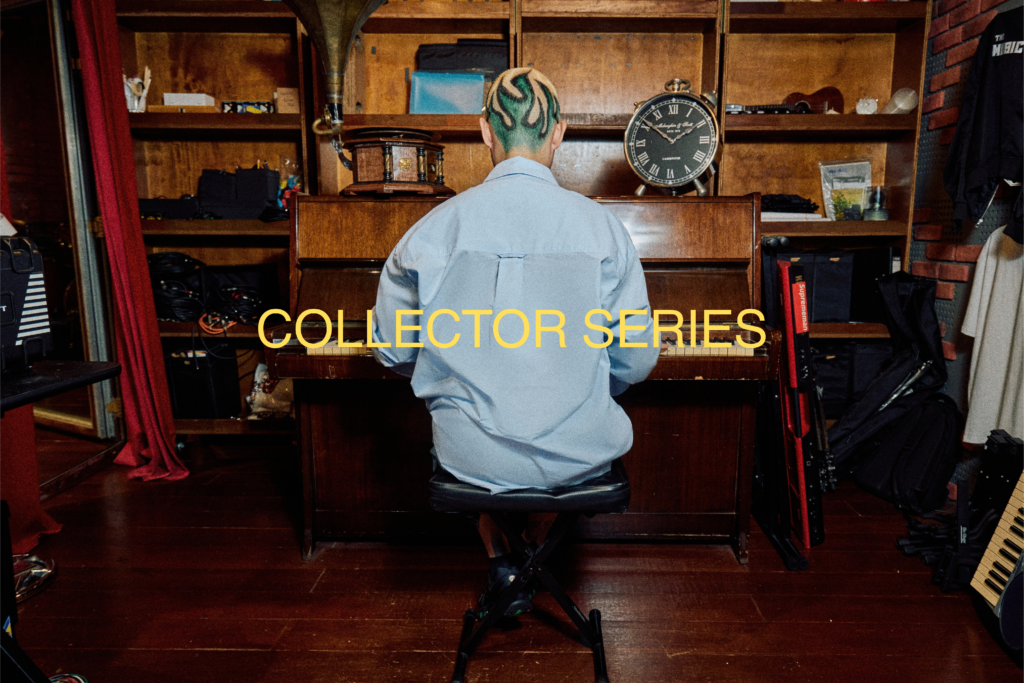
Jaye Foo spent most of his early life as a music artist across Singapore, Japan and the UK before returning to Singapore to launch his first business in 2015.
A crypto investor for close to a decade, he was deeply involved in the NFT space during its formative years. He holds an MBA in blockchain and most recently completed a PhD in business management, with his thesis focused on creative entrepreneurship.
Over the past ten years he has built music spaces, spanning studios and bars, across Singapore, South Korea, France and the Netherlands.
Today he is an angel investor in creative, F&B and tech companies based in Singapore, while continuing to make music and collaborate with brands including Nike, Vogue and Tempur.
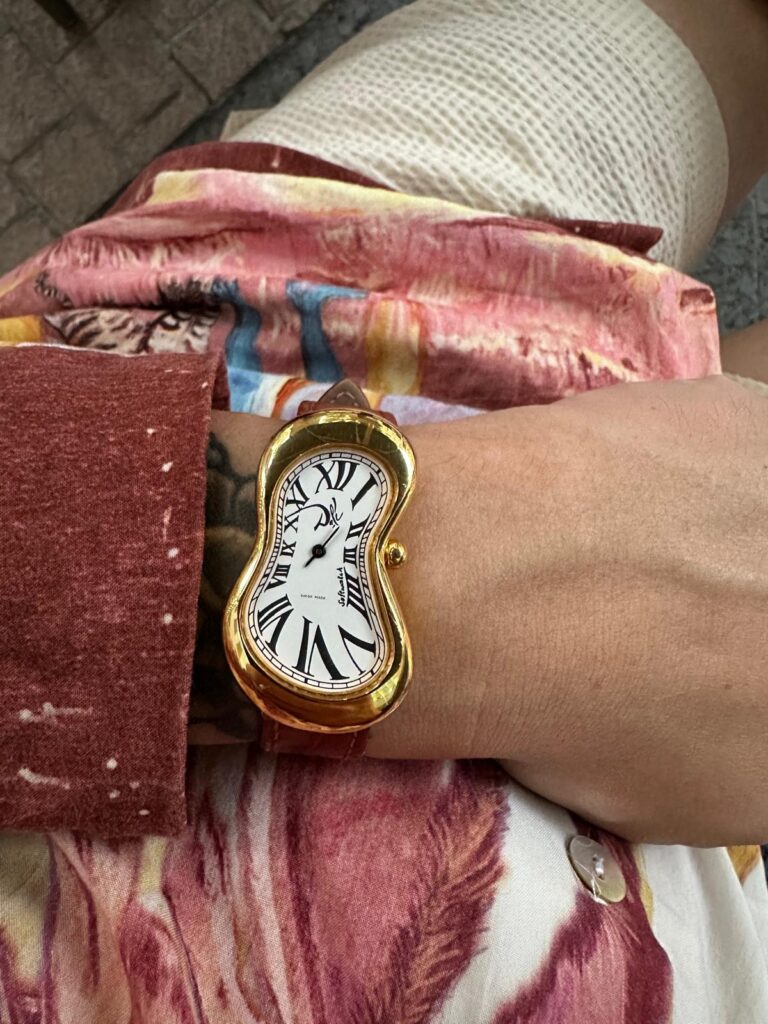
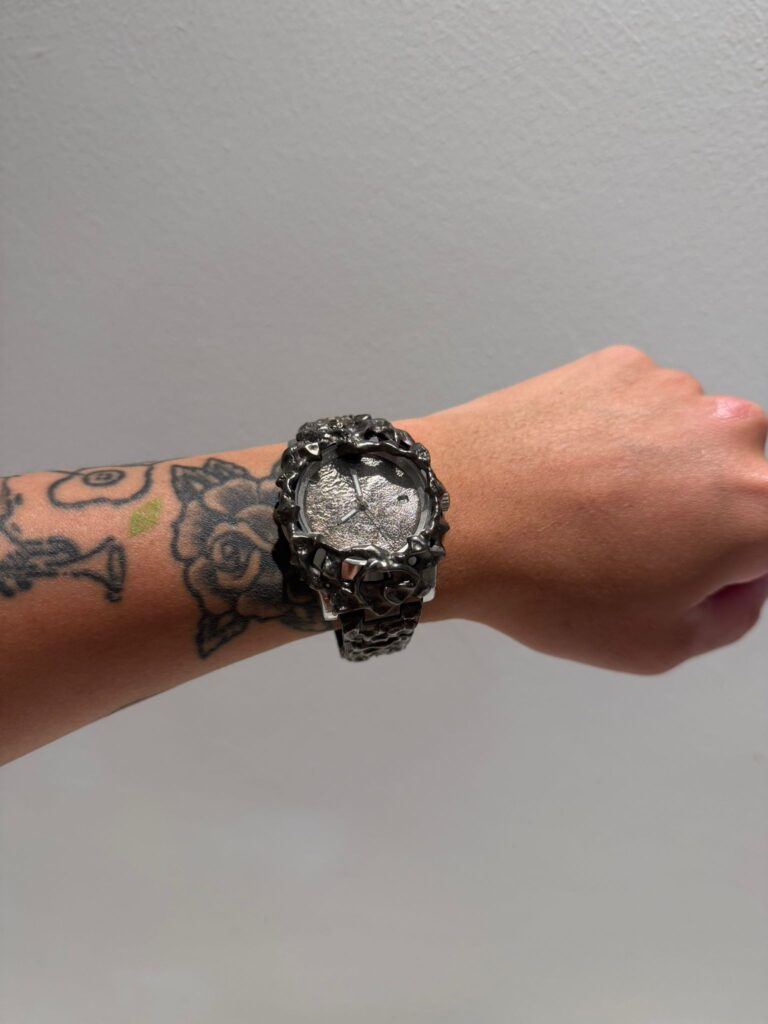
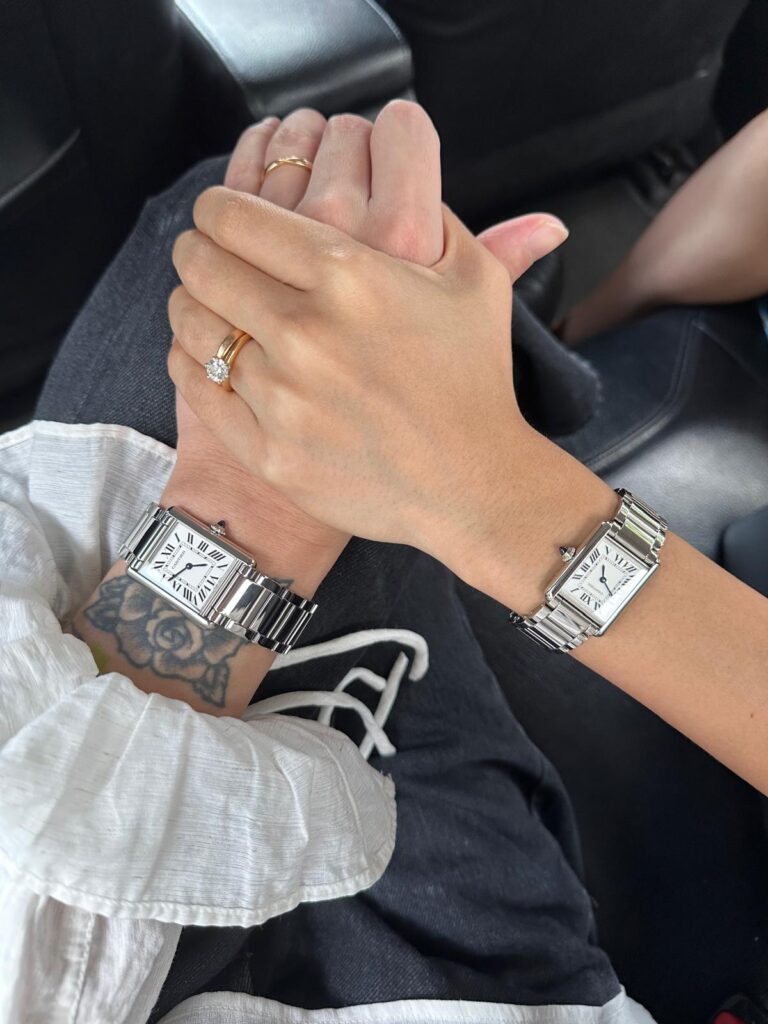
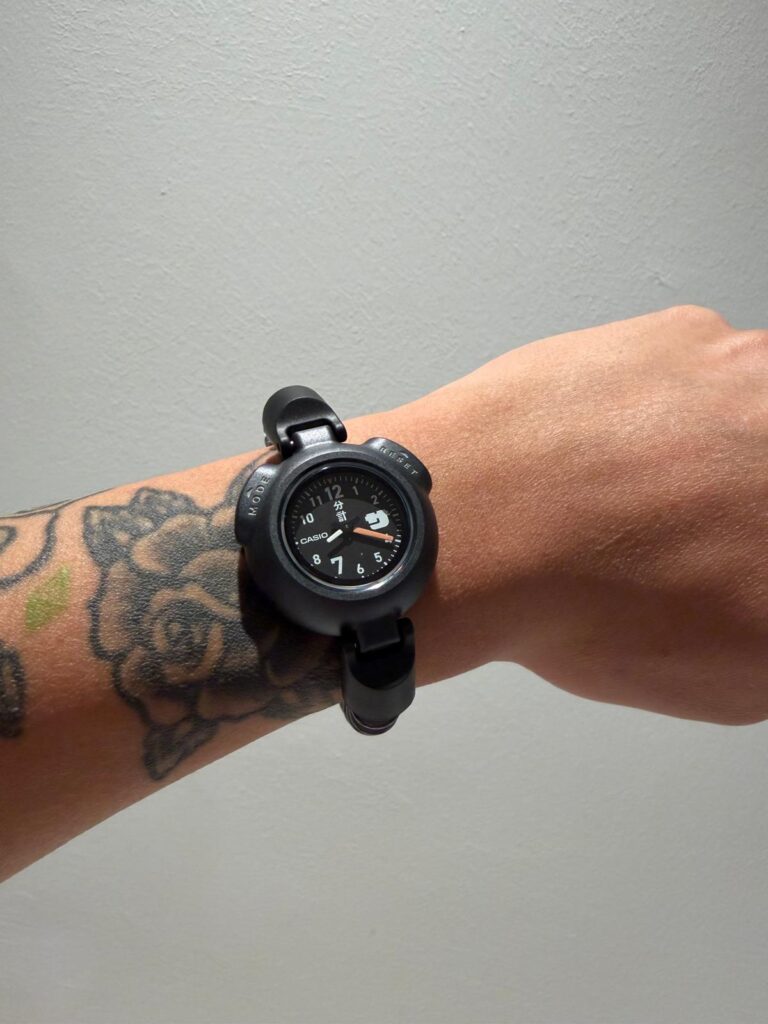
I love beautiful things. But what I love even more? Beautiful things that grow in value. Everything I’m drawn to, music, spaces, crypto, fashion, sits at that intersection of aesthetic and investment. Watches are the purest expression of that. You get to wear something extraordinary every day, and if you’ve chosen well, it appreciates while you do.
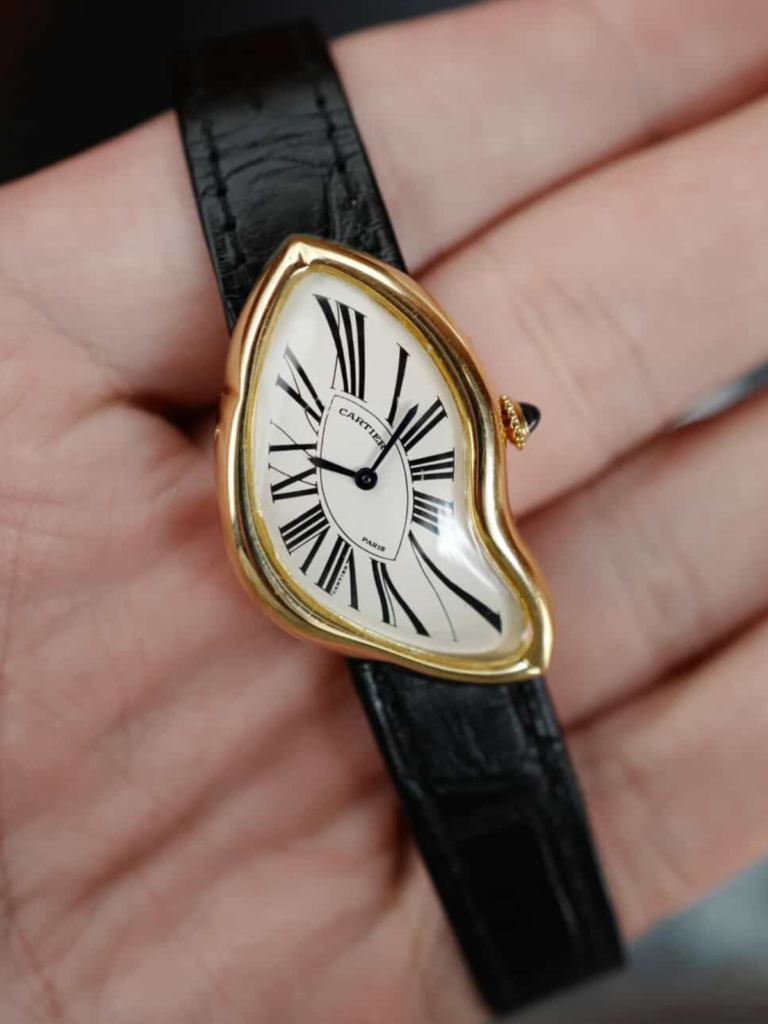
The Cartier Crash, specifically the Paris edition made in 1991, my birth year. That detail sealed it. I also love the petite version of the Crash because I have a smaller wrist, and it just sits perfectly. There’s something about that watch, the surrealist shape, the history behind it, that made me realise a watch could be art, provenance, and personal story all at once.
The parallel is direct. The Parlour was about creating a space where people could connect over something they genuinely cared about, no pretence, no gatekeeping. The best watch communities run on that same energy. People sharing knowledge, showing what they’re wearing, explaining why something matters to them. Whether it’s an NFT Discord or a watch meetup, the underlying currency is always enthusiasm. The difference is watches have decades of heritage holding the community together. That gives it a gravity that newer scenes are still building toward.
Watches sit between crypto and property for me. They’re not as volatile as BTC or ETH, and they’re not as capital-heavy as real estate. But they’re tangible in a way digital assets can never be, you wear the investment. I think of them as a disciplined store of value. If the market dips, I still own something I love. That’s a fundamentally different risk profile to almost anything else in my portfolio.
I’m an investor at heart, so buy and hold. I don’t flip. If I’ve done the work to acquire something I believe in, I’m keeping it. The same philosophy applies across everything I invest in, crypto, fashion brands, creative ventures. Conviction means you don’t panic-sell. And with watches, time is literally on your side.
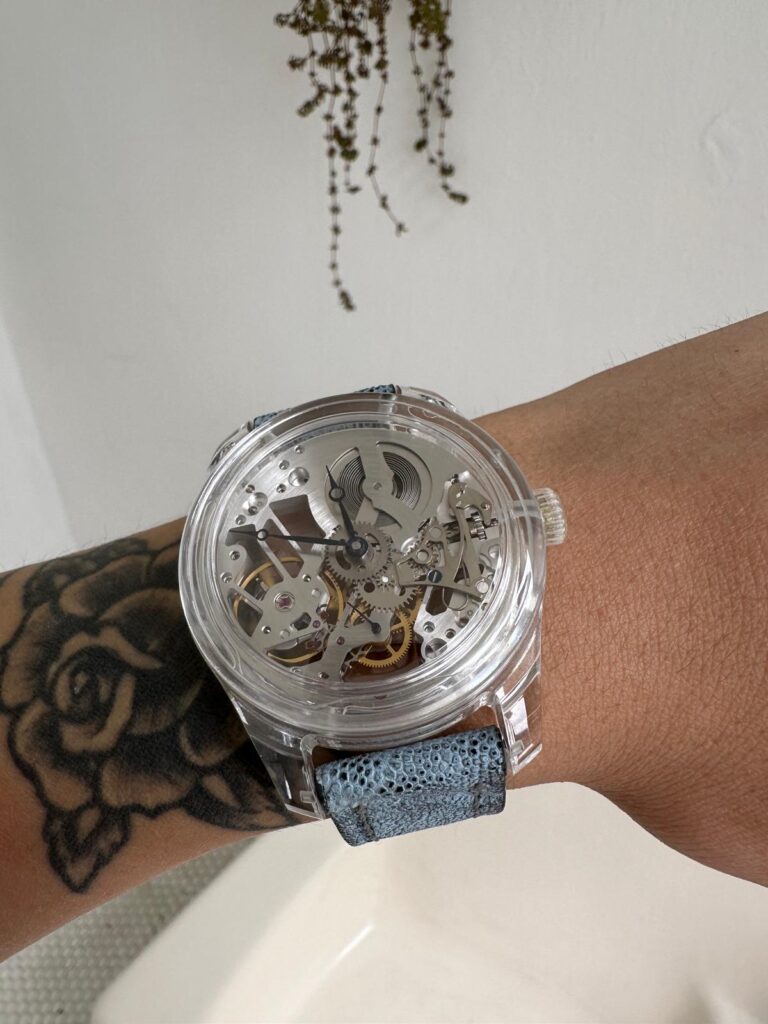
Independent watchmaking. The collector market in Asia is still heavily skewed toward the major maisons, but there are small ateliers doing extraordinary work that most people haven’t discovered yet. I’ve seen this pattern before, in NFTs, in fashion, in music. Community and craft always precede price discovery. When the broader market catches up to what the independents are doing, the early collectors will be very well positioned. Singapore has the taste to lead that curve.
Completely. I’ve spent years in the studio, and the thing people never appreciate is how many invisible decisions shape the final product. A vocal take that’s slightly behind the beat. A reverb tail trimmed by half a second. You’d never consciously notice, but you’d feel it if it were wrong. Watchmaking is identical, the hand-finishing on a movement nobody will see, the anglage that took someone years to master. The integrity is in the invisible work. That’s what I look for in a piece: evidence that the maker cared about the parts you can’t see.
None. I went straight for the endgame. When I knew what I wanted, I didn’t wait around collecting stepping stones. Life’s too short to build toward the thing you actually want. Go direct.
It signals an appreciation for the finer things, class, craftsmanship, history. I move between a lot of worlds, studio sessions, investor meetings, dinners, surf trips, and a watch is the one constant. It doesn’t need an explanation. It just communicates something about how you see the world and what you value. The right piece says all of that without a word.
Do your homework before you spend a dollar. The knowledge compounds faster than any asset. Buy what genuinely moves you, not what the internet tells you to want. And lean into the community here. Singapore’s watch scene is generous. People want to share what they know. Use platforms like SGWatchHub, go to meetups, ask questions. The people who try to figure it out alone usually overpay for the lessons.
Interview By: Mr Luxury
This site uses cookies to offer you a
better browsing experience.